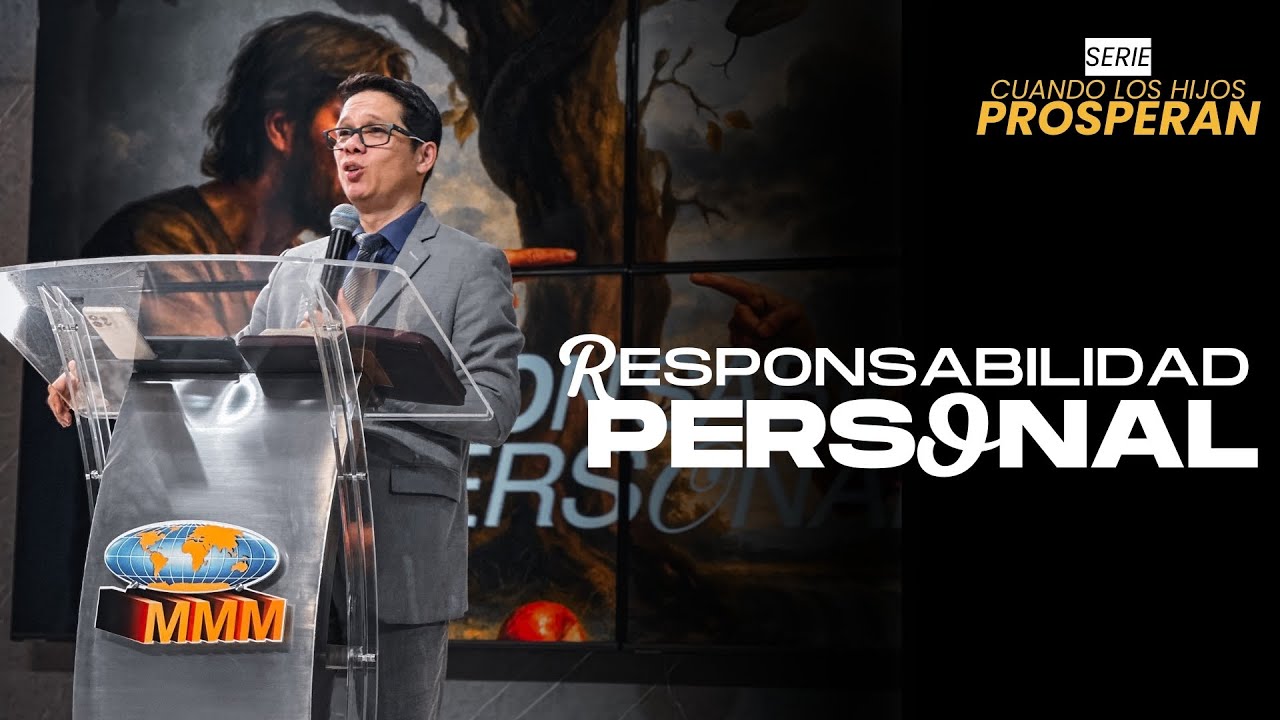
From Victim to Victor: Taking Personal Responsibility
Base Text: Romans 8:37 - "No, in all these things we are more than conquerors through him who loved us."
INTRODUCTION
There is a paralyzing spirit that has hindered God's purpose in the lives of thousands of Christians: the spirit of self-pity or the famous "victim syndrome." Sometimes, the most comfortable place to be is playing the victim. It's easy to blame the past, our parents, the government, our ex-spouse, or the economy for our spiritual and emotional stagnation. But as long as we keep blaming others, we hand over control of our destiny to our trauma. It's time to break that mindset and take the authority God has given us.
1. THE DANGER OF THE POOL OF BETHESDA (John 5:1-8)
"When Jesus saw him lying there and learned that he had been in this condition for a long time, he asked him, 'Do you want to get well?'" (John 5:6)
- Comfortable in sickness: Jesus asks this strange question to a paralyzed man who had been sick for 38 years. Why does He ask this? Because there are people who have become so accustomed to their condition of misery that their identity has merged with their pain. Sometimes, a person prefers the comfort of being pitied over the immense effort of walking and taking responsibility.
- The command for empowerment: Jesus didn't treat him with pity ("poor you"); He treated him with authority: "Get up! Pick up your mat and walk." Christ demands that we leave our excuses on the floor.
2. BREAKING THE CYCLE OF BLAMING OTHERS
Since Eden, human beings have perfected the art of playing the victim to avoid responsibility.
- Adam's blame (Genesis 3:12): Adam's first sin after eating the fruit wasn't fleeing; it was blaming others: "The woman you put here with me." He even subtly blamed God.
- Your healing is YOUR responsibility: It's true that many bad things that happened to you in your childhood or past weren't your fault. The abuse, abandonment, or betrayal wasn't your fault. But your healing, forgiveness, and restoration today ARE your responsibility.
- The example of Joseph (Genesis 50:20): Joseph was sold by his brothers, enslaved in a foreign country, and slandered until he ended up in prison. If anyone had the right to play the victim, it was him. But he never adopted that attitude; that's why God could raise him up to govern Egypt, and he could forgive his offenders.
3. THE IDENTITY OF "MORE THAN A CONQUEROR" (Romans 8)
- A position already won: Paul doesn't say that in the future we "will be" conquerors; he says that today we "are" more than conquerors.
- The definition of a victor: A biblical victor isn't someone exempt from pain, who doesn't suffer, or who never loses earthly battles. A victor is someone who, despite betrayal and wounds, rises once more sustained by the power of the Holy Spirit working within them (2 Corinthians 4:8-9).
- The shift in perspective: Christ on the cross suffered the greatest injustice in history, but He didn't die complaining as a victim; He died exclaiming "It is finished" as the Redeemer, and rose again as the King of Glory.
CONCLUSION
The past is not your prison, unless you voluntarily choose to stay inside and close the door to God's grace. The blood of Jesus Christ is infinitely greater than any trauma the world has caused you.
Call to Action: Renounce the spirit of self-pity out loud today. Dry your tears, stop looking back for someone to blame, look to the Cross, put on the armor of God, and walk as the victor that Christ has already paid for with His blood.
💡 Keep learning: Inner Healing and Renewed Mind